
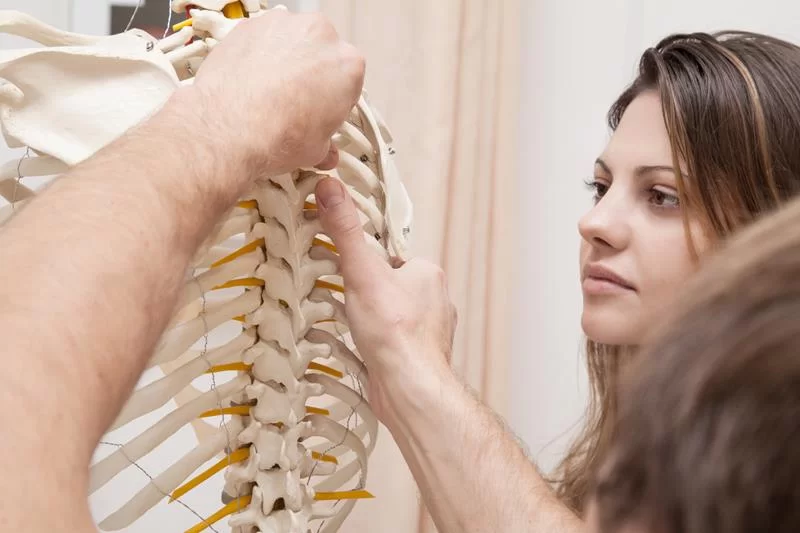
Bulging Disc Treatment in Carrollton, TX
Most back pain is linked to problems with the intervertebral discs, the cushions that allow your spine to flex, bend, and absorb shock. When a disc bulges, it can press on the spinal cord and nerves, causing pain, numbness, and tingling that may travel into your arms or legs. At Premier Health Chiropractic & Wellness Center, Dr. H. Khayal diagnoses and treats bulging discs with non-surgical care, including spinal adjustments and spinal decompression therapy.
What Is a Bulging Disc?
Intervertebral discs are cartilage cushions located between the vertebrae of the spine. Each disc has a soft, jelly-like center enclosed by a strong, protective outer casing. When the spine is misaligned, it places additional pressure on the discs. Over time, this pressure can push a disc outside its normal position and cause it to bulge. A bulging disc can then press on the spinal cord and nearby nerves, leading to back pain, neck pain, and radiating symptoms.
Discs can become inflamed, irritated, bulging, or even ruptured after what seems like a trivial trauma, such as bending to lift a box, a minor fall, or a car accident. Disc problems are closely linked to subluxations, or spinal misalignments.
Signs You May Have a Disc Problem
- Numbness and tingling down the arms or legs
- Sharp, shooting pain that radiates into the buttocks, legs, or arms
- Localized pain in the lower back or neck
- Muscle weakness in the arms, hands, legs, or feet
- Pain that worsens with sitting, bending, coughing, or sneezing
Diagnosing a Bulging Disc
An accurate diagnosis is essential. Dr. Khayal performs a thorough examination that includes orthopedic and neurological testing. In many cases, diagnostic imaging such as x-rays or MRI is needed to properly identify a disc problem and determine the best treatment approach.
How Chiropractic Can Treat Bulging Discs
When properly treated, chiropractic care can help minimize and even eliminate the pain and suffering that comes from disc problems. Treatment methods may include:
- Spinal adjustments to correct misalignments and reduce pressure on the disc
- Non-surgical spinal decompression therapy to gently create space between vertebrae and encourage disc healing
- Electric muscle stimulation and therapeutic ultrasound to reduce muscle spasm and inflammation
- Core strengthening and rehabilitation to support the spine long term
- Postural restoration to reduce future stress on the discs
Learn more about our comprehensive disc treatment and spine treatment programs.
Schedule Bulging Disc Treatment
If you are experiencing symptoms of a bulging disc, do not wait for the pain to worsen. Our office in North Carrollton is convenient to Plano, The Colony, Frisco, Lewisville, and nearby towns. See all conditions we treat, schedule a free consultation, or call (972) 713-9355.
Bulging Disc FAQs
What is the difference between a bulging disc and a herniated disc?
A bulging disc extends outward beyond its normal boundary while the outer casing stays intact. A herniated disc occurs when the outer casing tears and some of the soft inner material pushes through. Both can irritate nearby nerves.
Can a chiropractor fix a bulging disc?
Chiropractic care can help relieve pressure on a bulging disc and reduce pain through spinal adjustments, spinal decompression, and rehabilitation. Many patients improve without surgery.
Do I need an MRI for a bulging disc?
Not always, but diagnostic imaging such as x-rays or MRI is often needed to properly diagnose a disc problem and guide treatment. Dr. Khayal will recommend imaging when appropriate.
What does spinal decompression do for a bulging disc?
Spinal decompression gently stretches the spine to create negative pressure within the disc, which can help reduce bulging, relieve nerve pressure, and support healing.
Can a bulging disc heal on its own?
Some mild bulging discs improve over time, but correcting spinal misalignment and strengthening supporting muscles can speed recovery and help prevent recurrence.
What activities should I avoid with a bulging disc?
Avoid heavy lifting, repetitive bending and twisting, and prolonged sitting until your chiropractor recommends otherwise. Gentle movement is usually better than complete bed rest.
How long does bulging disc treatment take?
The timeline depends on the severity of the disc problem and how long symptoms have been present. Many patients notice improvement within several weeks of consistent care.